The Ultimate Guide to Sicilian Olive Oil: Everything You Need for Authentic Cooking
Buongiorno! If you’ve ever sat at a table in Sicily, you know that the meal doesn't truly begin until a bottle of deep green, fragrant olive oil is placed in the center. In our kitchen at Castanea Sicilian Cafe, we call it oro liquido, liquid gold. It isn’t just an ingredient; it is the lifeblood of our culture, the soul of our soil, and the secret behind every dish that tastes like home.
When we talk about authentic Sicilian cooking, we aren’t just talking about recipes. We’re talking about the scent of the sea breeze hitting the olive groves, the volcanic earth of Etna, and the hands that have harvested these fruits for generations. Today, we’re taking you on a journey through the groves to help you understand why Sicilian olive oil is a world apart and how you can bring that sunshine into your own kitchen.
The Soul of the Soil: Our Native Cultivars
Sicily is a land of incredible biodiversity. Each corner of the island, from the rugged west to the rolling hills of the southeast, produces olives with distinct personalities. When you’re looking for that genuine flavor, you need to know the names of the "stars" of our groves.
Nocellara del Belice
Perhaps the most famous of all, the queen of the Valle del Belice. These olives are large, bright green, and incredibly buttery. When pressed, they produce an oil that is a perfect balance of mild spice and a rich, nutty finish. It’s the oil we reach for when we want something versatile yet unmistakable.
Tonda Iblea
If you open a bottle of oil from the Ragusa province and suddenly smell fresh-cut grass and green tomatoes, you’ve found the Tonda Iblea. It is remarkably aromatic. It’s the kind of oil that makes you want to close your eyes and just breathe it in before you even think about tasting it.
Biancolilla and Cerasuola
In the west, near Trapani and Palermo, these varieties dominate. Biancolilla is delicate and light, often used to balance stronger blends, while Cerasuola is robust, slightly bitter, and full of character. Together, they create the backbone of many of Sicily’s most prestigious DOP oils.
In a Chestnutshell: Why Quality Matters
You might see "Extra Virgin Olive Oil" on every supermarket shelf, but as we always say here at Castanea, not all oils are created equal. To get the real health benefits and the true flavor of the Mediterranean, you have to look deeper than the label.
First, let’s talk about estrazione a freddo, cold extraction. To preserve the polyphenols (the healthy stuff) and the delicate aromas, the olives must be pressed at temperatures below 27°C (about 80°F). If it gets too hot, you lose the magic. At our cafe, we only source oils that respect this tradition.
Then there is the acidity. A truly superior Sicilian EVOO should have an acidity level below 0.3%. This is a marker of freshness and purity. It tells you the olives were healthy and processed immediately after being picked. When you taste an oil with low acidity, it doesn't just sit on your tongue; it dances. It has a "kick" at the back of the throat, a spicy, peppery finish that tells you it’s alive with antioxidants.
Savor Sicily: A Story in Every Bite
Using Sicilian olive oil isn't just about frying or sautéing, in fact, we rarely use our best oils for heavy frying. We use them to finish a dish, to wake up the ingredients.
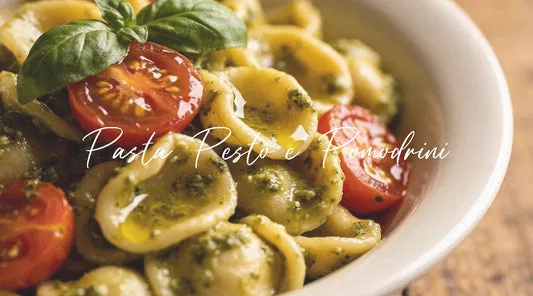
Imagine a bowl of fresh orecchiette, tossed with a vibrant basil pesto. The heat of the pasta gently warms the oil, releasing notes of almond and artichoke. Or think of a simple Caponata, where the richness of the fried eggplant is balanced by a final drizzle of robust Cerasuola oil.
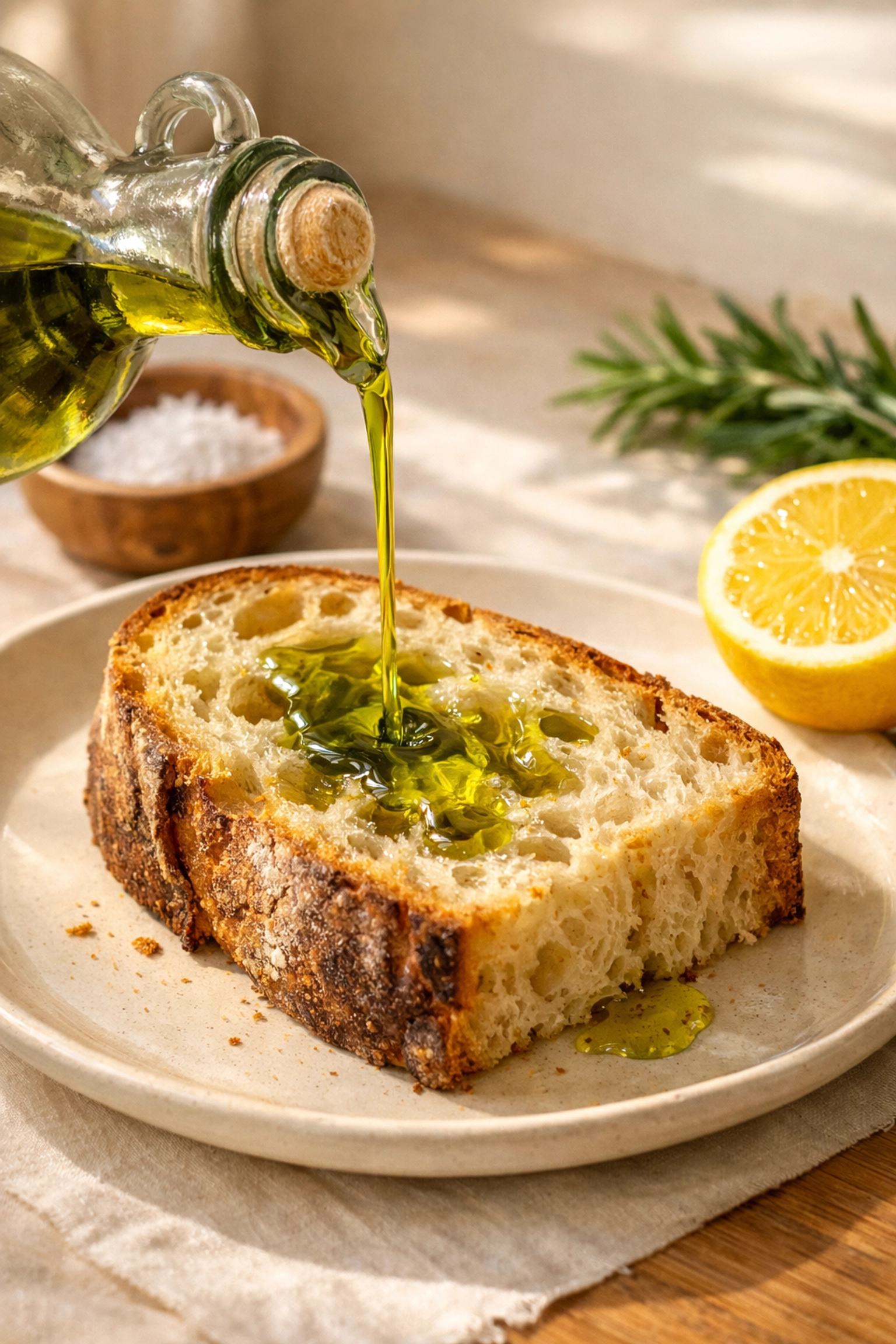
Pro Tip from the Castanea Kitchen:
If you really want to taste the quality of your oil, try it the Sicilian way. Take a thick slice of crusty bread, toast it slightly, and pour the oil over it while the bread is still warm. Add a tiny pinch of sea salt. That’s it. It’s a snack that has sustained Sicilian farmers for centuries, and it remains one of our favorite things to serve.
Navigating the Labels: DOP and IGP
When you visit our online store or look at a premium bottle, you’ll see some fancy acronyms: DOP and IGP. These aren't just marketing, they are your guarantee of authenticity.
- Sicilia IGP (Indicazione Geografica Protetta): This ensures the oil was produced entirely within the island of Sicily, following strict quality standards.
- DOP (Denominazione di Origine Protetta): This is even more specific. It means the oil comes from a very particular region, like Monti Iblei or Valle del Belice, using specific olive varieties native to that spot.
It’s about preserving heritage. When you buy a DOP oil, you are supporting a specific community of farmers who have kept these traditions alive despite the pressures of industrial farming.
From Our Table to Yours
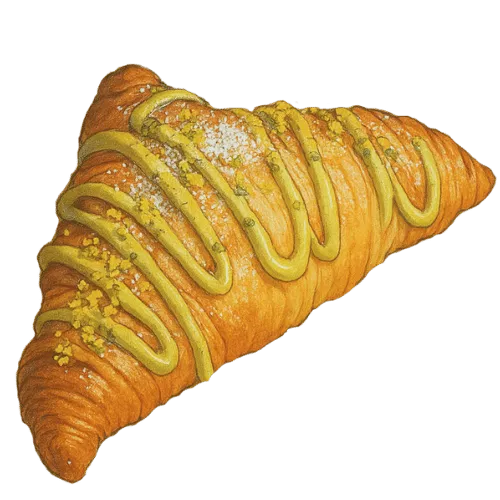
We founded Castanea Sicilian Cafe because we wanted to share the warmth of our home with you. Whether you’re stopping by for a pistachio cornetto and an espresso or browsing our online grocery store, we want you to feel like family.
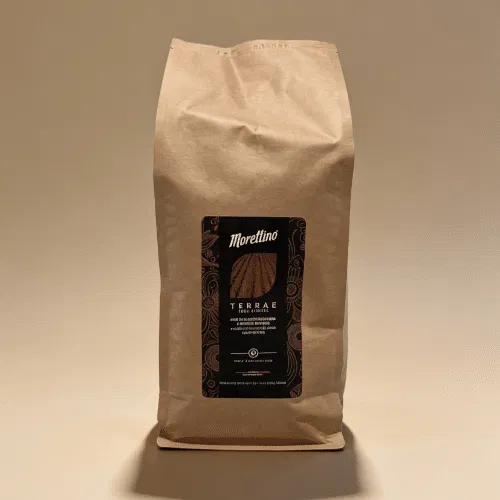
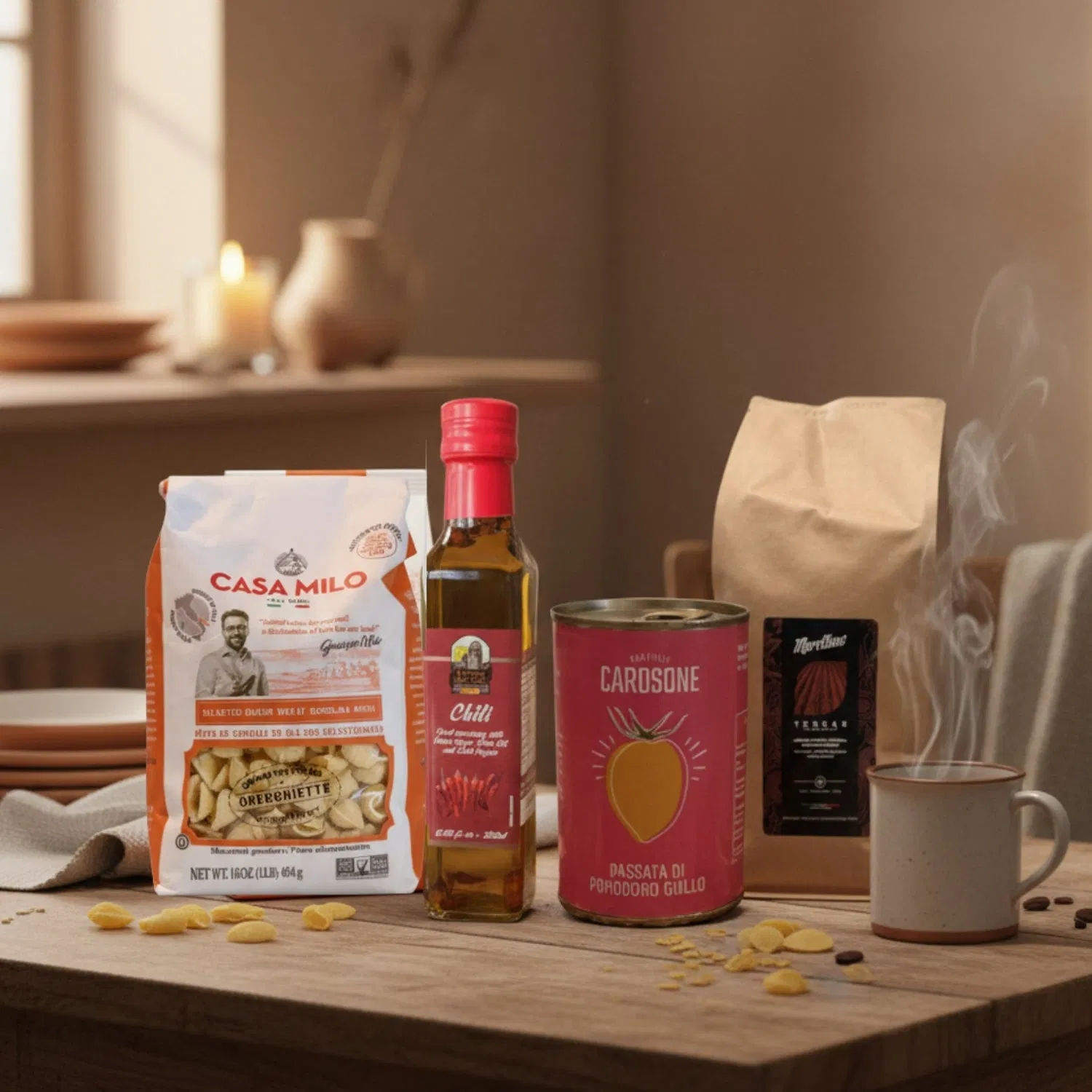
We know it’s hard to find the "real stuff" in a typical grocery store. That’s why we’ve curated a selection of the finest Sicilian imports. We use the same Morettino beans in our cafe that we sell online, and the same principle applies to our olive oils. If it isn't good enough for our nonna, it isn't good enough for our shop.
How to Choose (and Use) Like a Pro
If you’re ready to upgrade your pantry, here is a quick checklist to keep in mind:
- Check the Date: Olive oil is not wine; it does not get better with age. Look for the harvest year. You want the freshest oil possible.
- The Darker the Bottle, the Better: Light is the enemy of olive oil. Quality producers always use dark glass or tins to protect the liquid from oxidation.
- Color Isn't Everything: Don't be fooled by a bright green color alone. While many Sicilian oils are a beautiful deep emerald, the true test is the aroma. It should smell like a garden, not like grease.
- Pairing is Key: Use a delicate oil (like Biancolilla) for fish and salads. Use a robust oil (like Tonda Iblea or Nocellara) for grilled meats, hearty soups, and legumes.
A Legacy in Every Drop
There is an old legend in Sicily about the chestnut trees of Mount Etna, the very trees our cafe is named after. They are resilient, they provide shade and food, and they have stood the test of time. We see Sicilian olive oil the same way. It is a symbol of resilience and a commitment to quality that doesn't cut corners.
When you drizzle that oil over your dinner tonight, remember the sun-drenched hills of Sicily. Remember the families who worked the land to bring you that flavor. Authentic cooking isn't about being perfect; it’s about using the best ingredients and sharing them with the people you love.
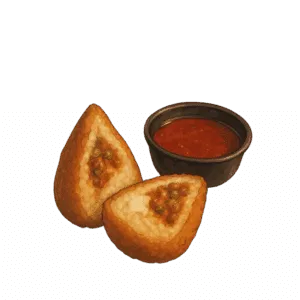
We invite you to explore our selection at Castanea Sicilian Cafe. From our signature arancini to our imported pastas, every item tells a story. We are here every day, behind the counter and behind the scenes, making sure that every bite you take is a true taste of Sicily.
Grazie for being part of our community. We can't wait to see what you create in your kitchen.
Say Hello Let's Talk
Have a question about which oil is right for your recipe? Or maybe you just want to share your latest culinary masterpiece? Come visit us or reach out online. Your journey to the heart of Sicily starts with a single drop of oil.
Buon appetito!