

The Sicilian Pantry 101: A Beginner’s Guide to Mastering Authentic Italian Cooking
Benvenuti! If you’ve ever sat in our cafe or stepped foot in a kitchen in Palermo, you know that Sicilian cooking isn’t just about following a recipe: it’s about a feeling. It’s about the way the olive oil hits a hot pan, the scent of fresh basil that fills the room, and the patience of letting a sauce simmer until it’s just right.
At Castanea Sicilian Cafe, we live and breathe these traditions every single day. We believe that anyone can master the art of authentic Italian cooking if they start with the right foundation. You don’t need a culinary degree or a kitchen full of high-tech gadgets. You just need a well-stocked pantry, a bit of curiosity, and a lot of love.
Let’s open the doors to the Sicilian pantry and show you how to bring the flavors of the Mediterranean right into your own home.
The Soul of the Kitchen: Quality Over Everything
In Sicily, we don't overcomplicate things. Our cuisine is often called cucina povera: the cooking of the poor: not because it lacks richness, but because it relies on simple, humble ingredients that are prepared with immense respect. When you only have five ingredients in a dish, every single one of them has to be the best.
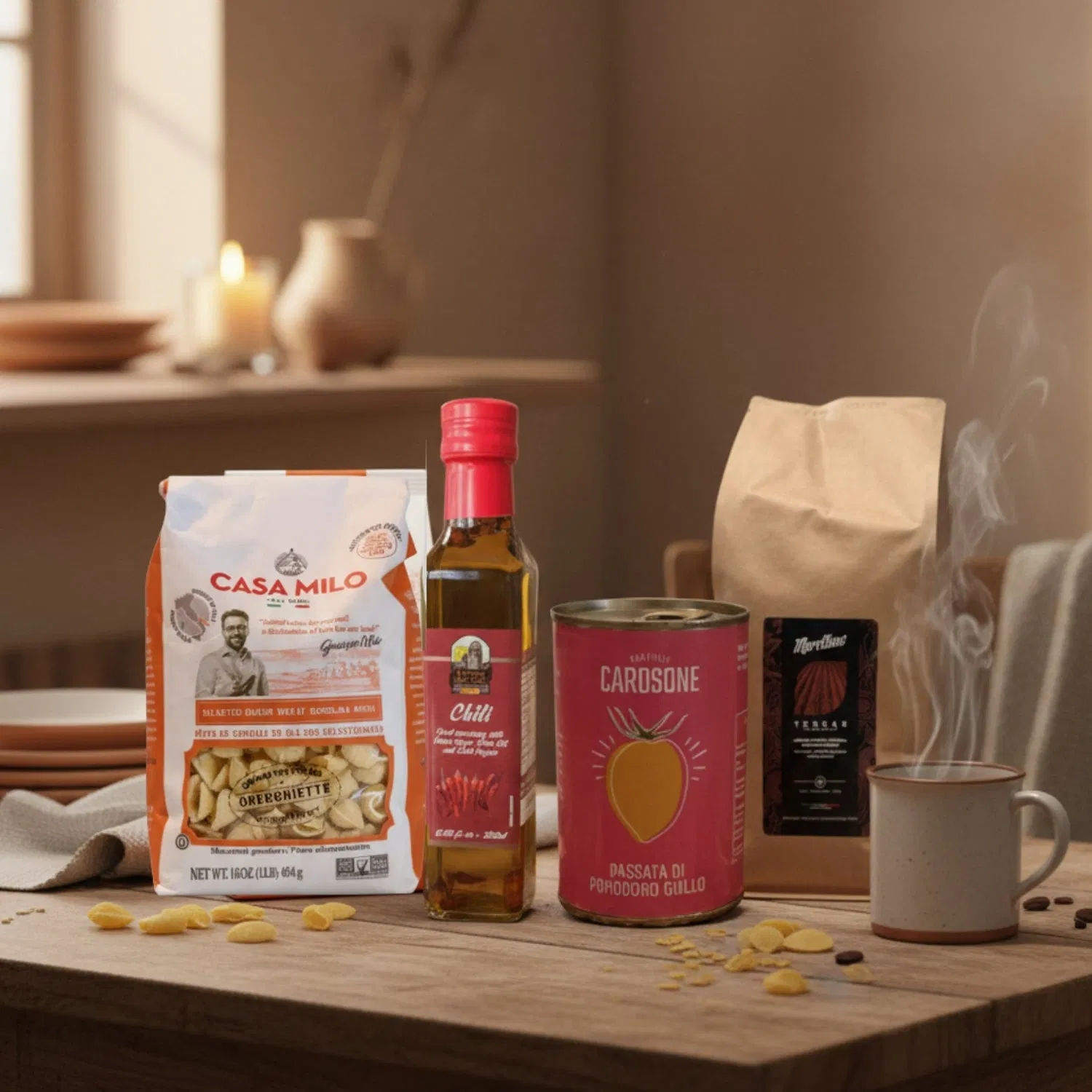
A pantry, built with intention and care. That is where your journey begins. We’ve spent years sourcing the exact same products we use in our cafe: from the golden olive oils to the bronze-drawn pastas: so you can experience that same authentic Sicilian food without having to fly to Italy.
The "Holy Trinity": Mastering the Soffritto
If there is one technique every beginner must learn, it is the soffritto. It is the aromatic base that gives depth to almost every soup, sauce, and stew in the Italian repertoire.
A soffritto is simple: finely diced onion, carrots, and celery. But the secret lies in the fat. You want to sauté these vegetables gently in high-quality extra virgin olive oil until they are soft, translucent, and sweet. Never rush this process. This is the moment where you set the stage for your entire meal.

In Sicily, we might add a little pinch of chili flakes or a clove of smashed garlic, but the foundation remains the same. It’s about building layers of flavor: a slow, rhythmic dance that transforms basic vegetables into something magical.
The Pasta Philosophy: Al Dente or Nothing
If you’re going to cook like a Sicilian, we have to talk about pasta. For us, pasta is more than just a side dish; it’s a way of life. But not all pasta is created equal.
We always recommend looking for pasta made from 100% durum wheat semolina, preferably bronze-drawn. Why? Because bronze dies leave a rough, porous texture on the surface of the pasta. That roughness is exactly what allows the sauce to cling to every strand or tube, ensuring that every bite is perfectly seasoned.
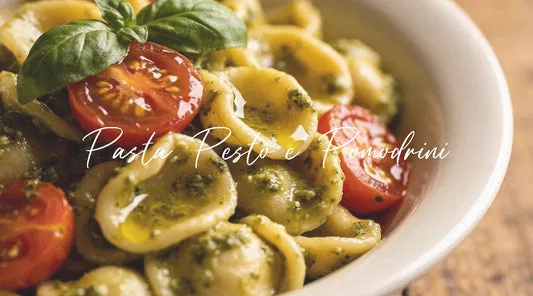
When you cook it, remember the golden rule: al dente. To the tooth. You want a slight firmness, a resistance when you bite down. It’s better to undercook your pasta by a minute in the boiling water and finish cooking it directly in the sauce. This allows the pasta to absorb the flavors of the dish rather than just sitting on top of them. Whether you’re using Casa Milo rigatoni or orecchiette, that texture is what separates a home-cooked meal from a professional one.
Savoring the Agrodolce: The Sicilian Signature
What makes Sicilian food different from the rest of Italy? It’s the history. Over centuries, our island has been influenced by Greeks, Romans, Arabs, and Normans. This "melting pot" of cultures gave birth to the agrodolce: the signature sweet-and-sour flavor profile.
A typical Sicilian pantry always has:
- Salted Capers: To bring a burst of brine.
- Raisins and Pine Nuts: For that unexpected sweetness and crunch.
- Red Wine Vinegar: To cut through the richness.
- Olives: For a deep, earthy saltiness.
When you combine these with fried eggplant (the king of Sicilian vegetables), you get Caponata: perhaps the most iconic dish of our heritage. It’s a bold, complex, and beautiful representation of our roots.
The Ritual of the Bean: Morettino Coffee
You cannot talk about the Sicilian kitchen without talking about coffee. In Sicily, coffee isn't a "to-go" drink; it’s a ritual, a moment of pause, a piece of il dolce far niente: the sweetness of doing nothing.
We are incredibly proud to serve and sell Morettino coffee. Since 1920, the Morettino family has been roasting beans in Palermo, preserving a tradition that has lasted for generations. Using authentic Sicilian coffee in your morning routine changes everything.
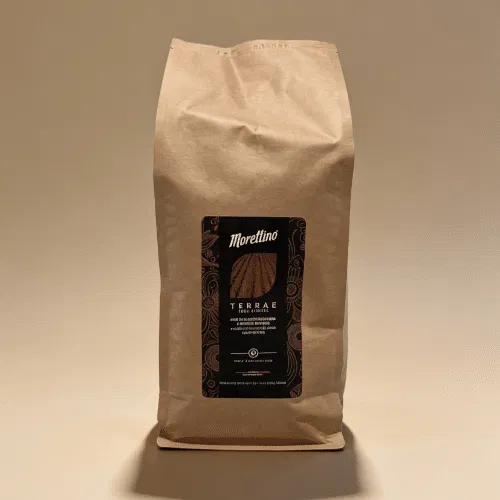
Whether you are using a Moka pot or a professional espresso machine, the quality of the bean matters. Morettino Terrae beans offer a smooth, intense, and aromatic experience that brings the cafe culture of Italy right to your kitchen counter. If you want to dive deeper into why this coffee is so special, check out our guide on why Morettino beans change the espresso game.
Street Food at Home: The Arancini Challenge
Once you’ve mastered the basics, it’s time to have a little fun. Sicilian street food is world-famous, and nothing is more beloved than the Arancino.
A golden, crispy rice ball, filled with savory ragù, peas, and melted cheese. It sounds intimidating, but it’s actually a wonderful way to use leftover risotto. The trick is in the breading: a light flour and water batter followed by fine breadcrumbs ensures that signature crunch.
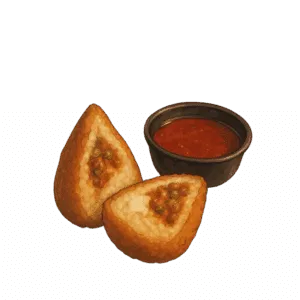
At Castanea, we make these fresh daily, but we encourage you to try your hand at them at home. There is a deep satisfaction in cracking open that crispy shell to reveal the steaming, flavorful center. It’s a labor of love, and every bite tells a story of our island’s history.
Building Your Own Sicilian Pantry
Ready to start your journey? You don’t have to search far and wide for these ingredients. We’ve curated an online market filled with the very items we trust and use. From the best espresso in Los Angeles to the authentic pasta of Puglia and Sicily, everything is just a click away.
Your Sicilian Starter Kit should include:
- Extra Virgin Olive Oil: The greener and fruitier, the better.
- Morettino Espresso Beans: For the perfect start (and end) to your day.
- Casa Milo Pasta: Look for those bronze-drawn shapes.
- Tomato Passata: Made from sun-ripened Italian tomatoes.
- Sicilian Oregano: Dried on the branch for maximum aroma.
A Place of Comfort and Community
At the end of the day, Sicilian cooking isn't about perfection. It’s about the people you share it with. It’s about the laughter around the table, the extra helping of pasta, and the lingering scent of espresso in the air.
We started Castanea Sicilian Cafe because we wanted to preserve these traditions and share them with our community here in LA and across the country. Whether you’re visiting us for a latte art class or ordering your pantry staples online, you’re becoming a part of our family.
So, put on your apron, pour a glass of wine, and let’s get cooking. The flavors of Sicily are waiting for you.
Your journey starts here. Explore our online grocery store and bring home a piece of Italy today.
Ci vediamo presto! (See you soon!)
