

Sicilian Pantry 101: A Beginner’s Guide to Mastering Italian Flavors at Home
Buongiorno! Welcome to our little corner of the world. If you’ve ever stepped into Castanea Sicilian Cafe, you know that the air is thick with the scent of freshly ground Morettino coffee and the savory, sun-drenched aroma of slow-simmered tomatoes. We believe that food isn’t just fuel: it’s a story, a heritage, and a way to practice il dolce far niente, the sweetness of doing nothing.
But what happens when you’re at home, miles away from our kitchen, and that craving for a true Sicilian meal hits? You don’t need a plane ticket to Palermo to experience the magic. You just need a well-stocked pantry.
Building a Sicilian pantry is about more than just buying groceries; it’s about curating a collection of "building blocks" that allow you to whip up a masterpiece at a moment’s notice. It’s about the philosophy of cucina povera: the kitchen of the poor: where humble ingredients are transformed into something extraordinary through technique and love.
Let’s dive into the essentials. Your journey to mastering Italian flavors starts right here in your own kitchen.
The Foundation of Flavor: The Four Pillars
Before we fill our shelves, we have to understand the "soul" of the Sicilian palate. Our island’s history is a tapestry of cultures: Greeks, Romans, Arabs, Normans, and Spaniards have all left their mark on our pots and pans. This has created four distinct flavor profiles you’ll find in almost every dish:
- Sea, Citrus, and Herbs: The freshness of the Mediterranean. Think of bright lemon zest, aromatic parsley, and the salt of the sea.
- Agrodolce (Sweet and Sour): A gift from the Arab influence. We balance vinegar with a touch of sugar, raisins, or honey to create a complex, lip-smacking contrast.
- The Soffritto & Heat: Every great sauce starts with a base of onion, carrot, and celery (the soffritto), often punched up with garlic and a pinch of peperoncino (red chili flakes).
- Earthy and Briny: This is where the depth comes from. Eggplants, olives, capers, and anchovies provide that salty, umami kick that defines Sicilian cooking.
Liquid Gold and the Acids of Life
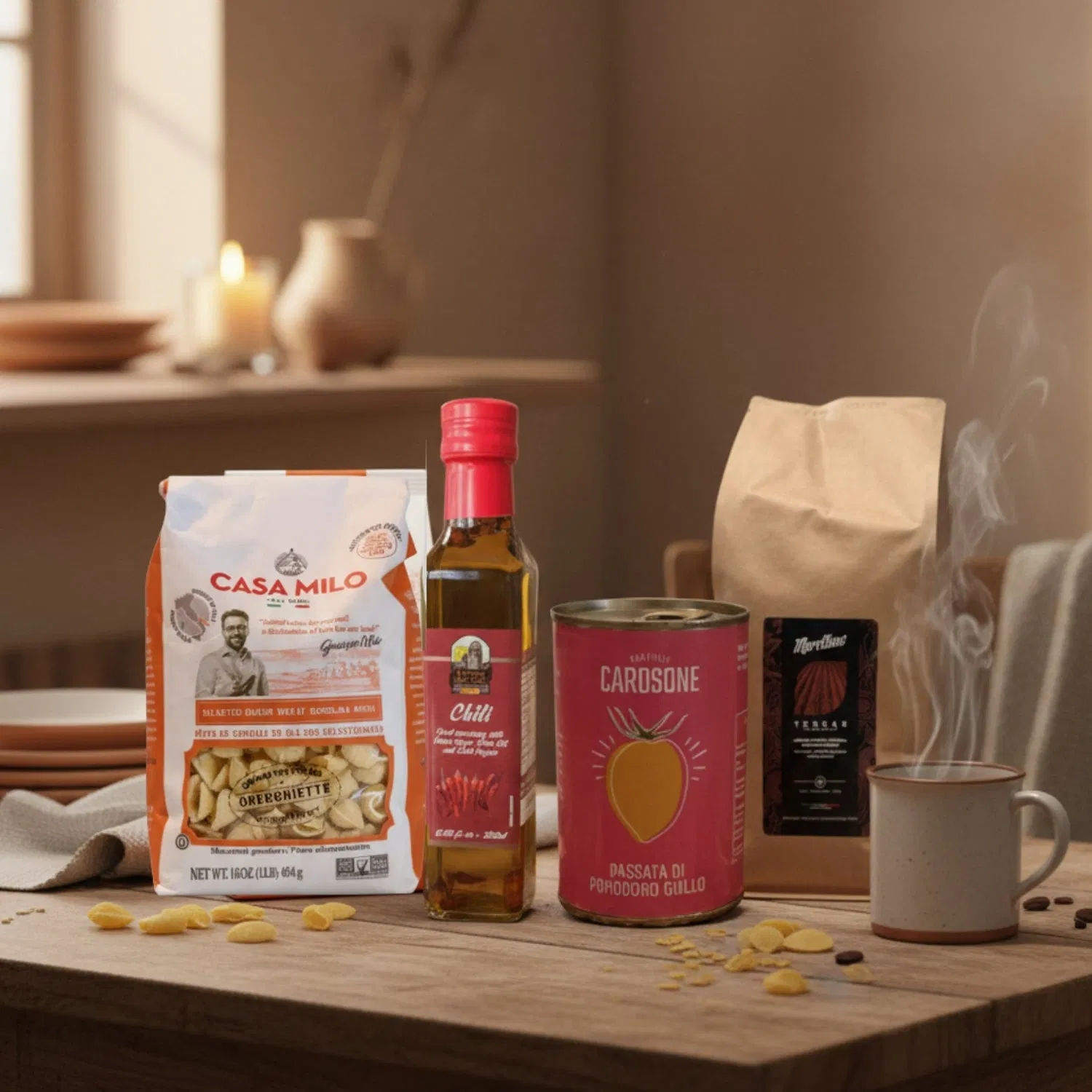
In a Sicilian home, extra-virgin olive oil (EVOO) isn’t just an ingredient: it’s a necessity. It’s the medium we cook in, the dressing for our salads, and the final flourish on a bowl of pasta.
A rule of thumb: have two bottles. One "everyday" oil for sautéing and cooking, and one premium, cold-pressed Sicilian oil for finishing. When you drizzle a high-quality oil over a finished dish, it releases aromas of freshly cut grass and green tomatoes. It’s transformative.
To balance that richness, you need acids. Red wine vinegar is our go-to for caponata and meat glazes, while white wine vinegar works beautifully for lighter fish marinades. These pantry staples are the "conductors" of the flavor orchestra: they make everything else sing.
A Pantry with History: Grains and Pastas
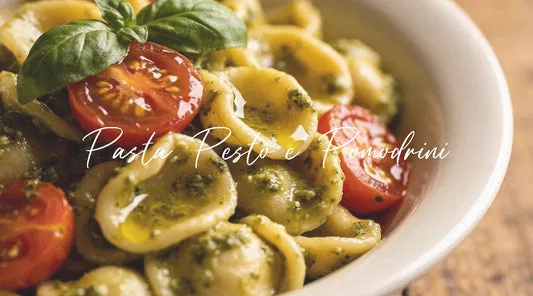
Pasta is the heartbeat of Italy, but in Sicily, we have our favorites. While you can never go wrong with spaghetti or linguine, we love shapes that hold onto the sauce. Busiate, a corkscrew-shaped pasta from Trapani, is a local legend. If you can’t find it, a good rigatoni or orecchiette will serve you well.
Speaking of pasta, let’s talk about "the poor man’s cheese." Historically, cheese was expensive. Sicilians found a brilliant workaround: pangrattato. These are dry breadcrumbs toasted in a pan with olive oil, garlic, and perhaps a pinch of salt. Sprinkled over pasta, they add a delightful crunch and a nutty depth.
And don’t forget the rice! If you want to master the art of the Sicilian arancini, you’ll need a short-grain rice like Arborio or Carnaroli. These grains release the starch needed to keep those golden pyramids together.
The Umami Secret: Preserves and Aromatics
If you want your home cooking to taste like it came from a professional kitchen, you need the "umami boosters."
- Anchovies: Even if you think you don't like them, trust us. When you melt an anchovy fillet into warm olive oil at the start of a recipe, it disappears into a savory, salty base that adds incredible depth without tasting "fishy."
- Capers and Olives: Specifically salt-packed capers. Rinse them off before use to reveal a floral, briny pop. They are essential for a proper puttanesca or a traditional caponata.
- Tomato Paste: A concentrated burst of sun. We use it to thicken sauces and add a layer of sweetness that fresh tomatoes sometimes lack.
For aromatics, dried Sicilian oregano is non-negotiable. Unlike the dusty stuff you find in most supermarkets, authentic Sicilian oregano is pungent and earthy. Rub it between your palms over a pizza or a salad, and you’ll instantly understand the difference.

The Nutty Side of Sicily
Our landscape is dotted with almond and pistachio trees. These nuts find their way into everything from pesto to pastries. Keeping a bag of almonds and pine nuts in your pantry allows you to make a Pesto Trapanese: a refreshing blend of almonds, tomatoes, garlic, and basil.
We also use raisins and sultanas frequently in savory dishes. It might sound strange to a beginner, but that tiny burst of sweetness in a pasta with sardines or a vegetable stew is exactly what creates that authentic Sicilian "wow" factor.
The Morning Ritual: Sicilian Coffee Culture
No Sicilian pantry is complete without coffee. In Sicily, coffee isn't just a drink; it's a social contract. We take immense pride in our beans, which is why we exclusively use Morettino. They’ve been roasting beans in Palermo since 1920, and their Terrae blend is 100% Arabica, organic, and full of soul.
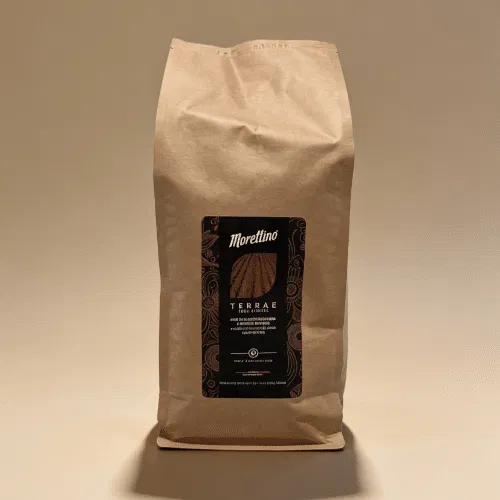
Whether you’re looking for the best espresso in Los Angeles or trying to recreate the experience in your own kitchen, starting with the right bean is 90% of the battle. Use a Moka pot for that classic home-brewed Italian intensity.
Bringing It All Together: A Simple "Pantry" Recipe
Ready to put your pantry to the test? Let’s make a Quick Eggplant "Norma" Pasta. This dish is a tribute to Catania and is the perfect example of how a few high-quality ingredients can create magic.
Ingredients:
- Short pasta (Rigatoni or Penne)
- 1 large eggplant, diced
- EVOO (plenty of it!)
- 2 cloves of garlic, smashed
- 1 can of high-quality peeled tomatoes or passata
- A pinch of dried Sicilian oregano
- Fresh basil
- Grated Ricotta Salata (a salty, aged sheep's milk cheese)
The Method:
- The Eggplant: Salt your diced eggplant and let it sit for 20 minutes to draw out moisture. Pat dry, then fry in a generous amount of olive oil until golden and soft. Set aside.
- The Sauce: In the same pan, add a bit more oil and the garlic. Once fragrant, pour in your tomatoes. Season with salt, pepper, and oregano. Let it simmer for about 15 minutes until thickened.
- The Marriage: Cook your pasta until al dente. Toss the pasta into the sauce, fold in the fried eggplant, and add a handful of torn basil.
- The Finish: Plate it up and shower it with a snowy layer of grated Ricotta Salata.
A masterpiece, born from your pantry.
Savor Sicily, A Story in Every Bite
Mastering Italian flavors at home isn't about following a strict set of rules; it's about intuition and quality. It’s about knowing that a splash of vinegar can fix a "flat" sauce or that a handful of toasted breadcrumbs can be better than Parmesan.
At Castanea Sicilian Cafe, we are dedicated to bringing these authentic ingredients to your doorstep. From our nationwide online grocery store, you can source the same Morettino beans, premium pastas, and artisanal oils that we use in our cafe every single day.
Whether you're looking to host an event and need coffee catering in Los Angeles or you simply want to elevate your Tuesday night dinner, we’re here to help you preserve the traditions we love so much.
Your journey starts here. Your pantry is waiting. Explore our collection of authentic Italian goods and start cooking with the passion of a true Sicilian.
Ci vediamo presto( see you soon!)
