

Sicilian Ingredients 101: A Beginner's Guide to Mastering Authentic Italian Cooking at Home
Buongiorno! If you’ve ever stepped into our home at Castanea Sicilian Cafe, you know that for us, food isn’t just fuel: it’s a story. It’s a narrative written in extra virgin olive oil, scented with wild fennel, and punctuated by the sharp pop of a salted caper.
I’m Nando Benincasa, and my mission has always been to bring the true heart of Sicily to your table. But here’s the secret: you don’t need a culinary degree or a plane ticket to Palermo to cook like a true Sicilian. You just need the right tools in your toolkit. In Sicily, we have a saying: "Cucina povera, ma ricca di sapore": poor kitchen, but rich in flavor. It means we take simple, high-quality ingredients and let them sing.
So, let’s clear some space on your counter. We’re going to build your Sicilian pantry from the ground up, using the same authentic products we import directly from Italy for our cafe and our online grocery store.
The Golden Foundation: Extra Virgin Olive Oil
In a Sicilian kitchen, olive oil isn’t an ingredient; it’s the lifeblood. We don’t just "use" it: we drench, we sizzle, and we finish with it. A real Sicilian EVOO often has a grassy, slightly peppery finish that can transform a simple piece of toasted bread into a feast.
When you’re shopping, look for oil that is cold-pressed and, ideally, from Nocellara del Belice olives. This is the liquid gold that ties every dish together. Whether you’re starting a soffritto (the holy trinity of onions, carrots, and celery) or drizzling it over a finished plate of pasta, the quality of your oil determines the soul of your meal.
The Grain of Life: Pasta and Flour
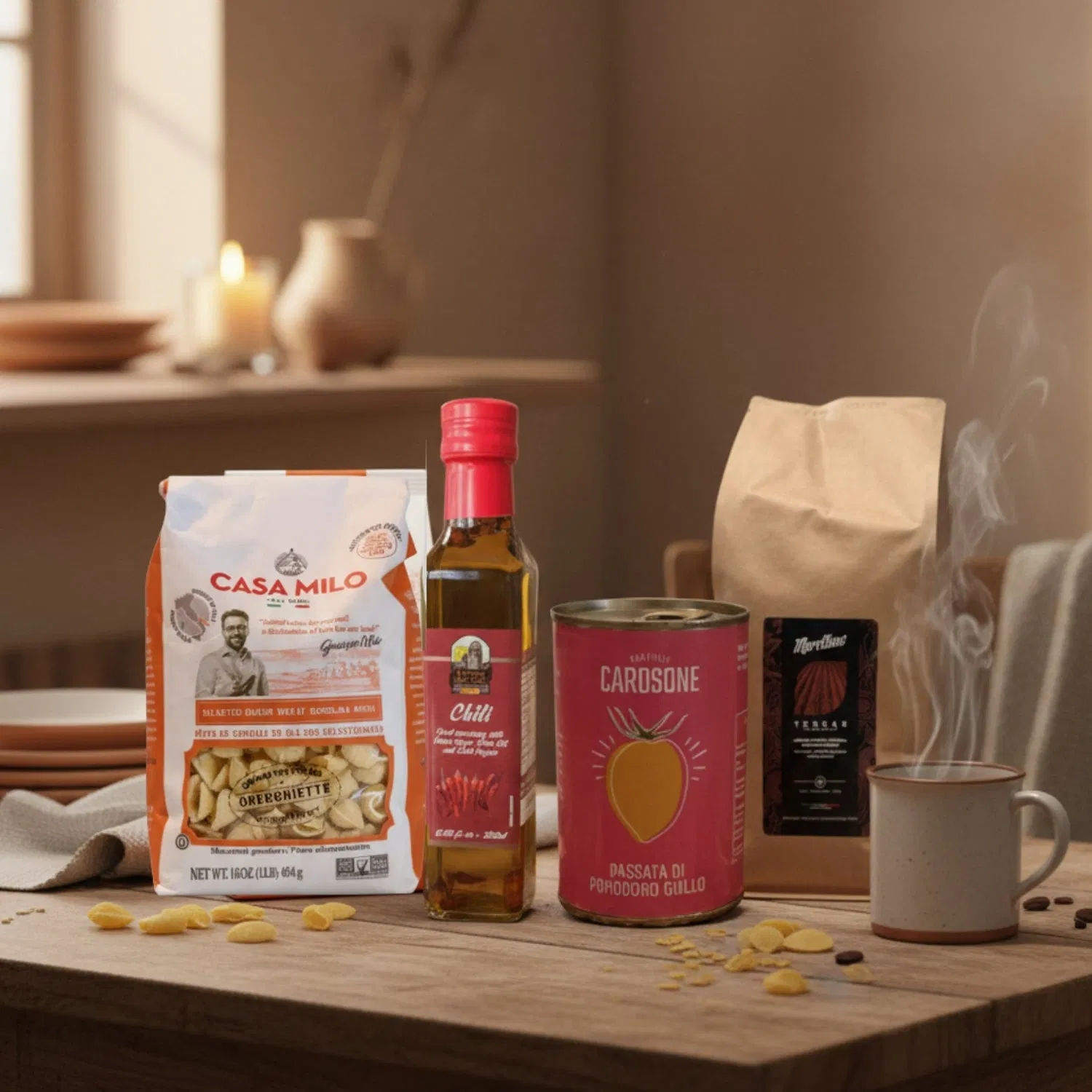
You cannot talk about Italian cooking without talking about the grain. At Castanea, we are particularly proud of our partnership with Casa Milo. Why? Because they understand the importance of lenta essiccazione: slow drying.
Most mass-produced pastas are dried at high heat to save time, which kills the flavor and leaves the surface too smooth. Authentic Sicilian cooking demands pasta with a rough, porous texture: achieved through bronze dies: so the sauce actually clings to the noodle rather than sliding off to the bottom of the bowl.
For a true beginner’s win, start with orecchiette or rigatoni. Our Casa Milo Rigatoni is made from selected durum wheat semolina, giving it that perfect al dente bite that holds up against heavy meat sauces or light vegetable tosses alike.
Savor Sicily: The Magic of "Agrodolce"
If there is one flavor profile that defines the Sicilian palate, it is agrodolce: sweet and sour. This is a legacy left behind by the Arab influence on the island centuries ago. It’s what makes our food taste so distinct from the heavy creams of the North or the simple tomato-basil focus of Naples.
To master this at home, you need these four staples in your pantry:
- Salted Capers: Forget the ones in vinegar. Look for capers packed in sea salt. They preserve the floral integrity of the bud. Just remember to rinse them well before using!
- Castelvetrano Olives: Bright green, buttery, and mild. They add a salty depth to stews and salads.
- Raisins and Pine Nuts: We put these in everything: from pasta con le sarde (sardines) to meatballs. They provide that unexpected pop of sweetness and crunch.
- High-Quality Vinegar: A splash of red wine vinegar balanced with a pinch of sugar is the final touch to a classic Caponata.

The Aromatics: Herbs That Tell a Story
If you walk through the Sicilian countryside, the air smells like wild oregano and fennel. To cook authentically, you need to move beyond the basic "Italian Seasoning" shaker.
Wild Fennel (Finocchietto): This is the backbone of Sicilian seafood dishes. Its feathery fronds and anise-like scent are irreplaceable. If you can’t find it fresh, high-quality dried seeds or pollen are your best friends.
Oregano: Sicilian oregano is different. It’s usually sold on the branch, dried in the sun. You crush it between your palms right over the pizza or the grilled fish to release the oils. It’s earthy, pungent, and incredibly aromatic.
The Seafood Connection
We are an island, after all. The sea defines our menu. For a beginner, the thought of cooking whole fish can be intimidating, but Sicilian cooking makes it easy.
Think about Sardines and Anchovies. These little fish are flavor bombs. A few anchovy fillets melted into warm olive oil at the start of a recipe won’t make the dish taste "fishy": instead, it provides an incredible depth of umami that salt alone can't achieve.
And let’s not forget the Swordfish. In Sicily, we treat it like steak: simply grilled with salmoriglio (a sauce of lemon juice, olive oil, garlic, and oregano). Simple, fresh, and full of flavor.
The "Green Gold": Sicilian Pistachios
When we talk about nuts in Sicily, we are usually talking about the "Green Gold" of Bronte. These pistachios grow in the volcanic soil of Mount Etna, giving them an intensity of color and flavor you won't find anywhere else.
At the cafe, we use these for everything from our pistachio cornetto to savory pasta sauces. At home, keeping a jar of pure pistachio cream or a bag of crushed Sicilian pistachios can elevate a basic chicken dish or a simple bowl of gelato into a gourmet experience.

The Morning Ritual: Morettino Coffee
You can’t cook a Sicilian meal without finishing it the right way: with a proper espresso. Coffee in Sicily is more than a caffeine fix; it’s a social contract.
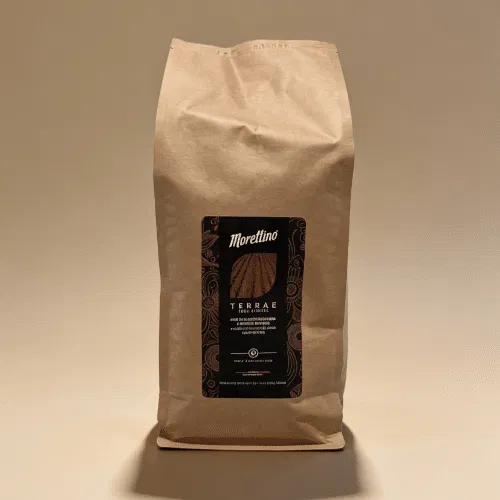
We proudly serve Morettino coffee because it is roasted in Palermo and represents over a century of tradition. If you’re mastering Sicilian cooking, you have to master the brew. Whether you use a stovetop Moka pot or a high-end espresso machine, using beans like the Morettino Terrae ensures your kitchen smells like a genuine Italian piazza.
Putting It All Together: A Beginner’s Strategy
So, how do you start? Don't try to cook a five-course feast tonight. Start with the basics.
- Stock the Pantry: Head over to our online market and grab some Casa Milo pasta, a bottle of real Sicilian EVOO, and some Morettino beans.
- Pick One Dish: Try a Pasta alla Norma (eggplant, tomato, and ricotta salata) or a simple Aglio e Olio enriched with anchovies and toasted breadcrumbs.
- Trust Your Senses: Taste as you go. Does it need more acid? Add a splash of vinegar. Does it need more depth? More oregano.
Cooking authentic Sicilian food is about intuition and respect for the ingredients. When you use the same products we use at Castanea Sicilian Cafe, half the work is already done for you. The flavor is already there, packed into the sun-ripened tomatoes and the slow-dried wheat.
Join Our Community
We believe that every meal is an opportunity to connect with our roots and preserve our heritage. Whether you’re stopping by our Hollywood location for a freshly baked focaccia or ordering your weekly supplies from our online store, you’re part of the Castanea family.
If you ever feel stuck or want to know which pasta shape goes best with your sauce, just ask! You'll find us every day behind the counter, blending coffee and sharing stories. We are here to help you bring a piece of our island into your home.
Your journey into the world of Sicilian flavors starts with a single ingredient. What will your first one be?
Savor Sicily, A Story in Every Bite.
Want to dive deeper into the world of Sicilian espresso? Check out our guide on why Morettino beans will change your life or join us for a latte art class to perfect your pour.
A presto! (See you soon!)
